It falls in sheets
Hollow dash detaches in panels of 1–2m² — onto cars, paths and people. Insurance claims involving dropped masonry are common.
Specialist service · Rochdale & the North West
Traditional pebble dash matched exactly to the original aggregate — or replaced with a modern silicone render. Free survey, honest advice on the right choice for your home.
5-star Google-rated · 40+ years combined experience · Free written quote within 24 hours
25+ yr
Pebble dash lifespan
Matched
Aggregate samples
500+
Dashed elevations
Free
Tap-test survey
Insured
& guaranteed
Service overview
Pebble dash defines thousands of post-war North West homes — and when it fails it falls in sheets. The honest question on every job is: repair, replace like-for-like, or strip and modernise with silicone render? We'll tell you straight after a site visit.
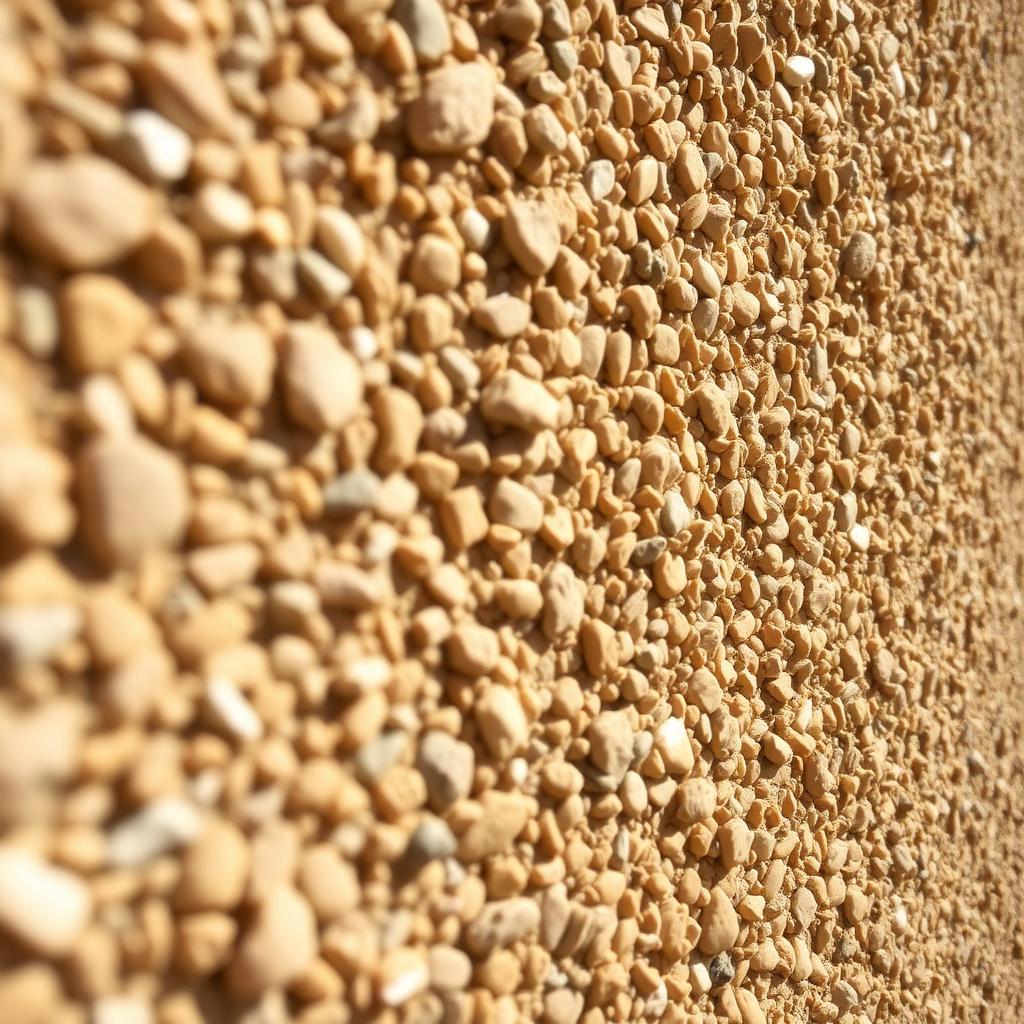
Pebble dash (also called roughcast or dry-dash) is a two-coat external render with a final coat of decorative aggregate thrown into a wet topcoat. We repair, patch, fully replace, and install new pebble dash — and remove failed dash before installing modern silicone systems.
Homeowners with 1930s–1980s housing stock, landlords protecting investment property, builders matching adjoining elevations, and conservation areas where the original finish must be preserved.
When dash sounds hollow on tap-test, when sections have fallen, when staining or biological growth is permanent, or when you're modernising the property's appearance.
Failed pebble dash is dangerous. Sheets falling off catch cars, conservatories and people. Bad repairs (wrong aggregate, wrong mix) scream a £200 patch on a £200k house. We get it right.
The cost of getting it wrong
Pebble dash failure is rarely a single bad patch — it's a sign the substrate behind has been wet for years. Here's the typical timeline.
Hollow dash detaches in panels of 1–2m² — onto cars, paths and people. Insurance claims involving dropped masonry are common.
Cracked or detached dash lets water reach the masonry. Within 2–3 winters interior walls show damp, blown plaster and mould.
Visible patch repairs in wrong-coloured aggregate flag 'neglected' to buyers and surveyors. Either match properly or fully redash one elevation.
Painting pebble dash to 'tidy it up' seals moisture against the substrate and accelerates failure. The paint also needs renewing every 4–5 years forever.
Our process
Same process on every job — domestic, commercial, single-room or full house.
Free site visit. We tap-test every elevation, photograph defects, and recommend repair, like-for-like replacement, or strip-and-render.
For repairs and matched extensions we sample the original aggregate and source the closest available stone — usually within one shade of original.
Scaffold up, failed dash removed safely, substrate cleaned, beads fitted, and any damaged masonry repointed.
Scratch coat applied and ruled flat, topcoat applied and the aggregate cast in by hand or machine while topcoat is wet.
Walkways jet-washed, scaffold struck, photos issued, and a written workmanship guarantee provided.
Why MCB
Correctly installed pebble dash outlives the homeowner. Failures we see are almost always 50+ years old.
For 1930s–60s housing stock, pebble dash is the original finish. Like-for-like maintains period authenticity and conservation requirements.
Highly durable in driving rain — the textured surface dissipates water impact across the elevation.
We won't sell you a strip-out you don't need. Where patch repair is viable, we say so.
Pebble dash is messy work — we contain debris, sweep daily, and jet-wash paths and driveways before strike.
If you'd prefer to move away from pebble dash, we strip and install K Rend or Weber silicone systems to a contemporary finish.
In depth
Pebble dash is one of the oldest and most maligned UK render finishes — and most of that reputation comes from bad 1980s installations. Done properly today, with the right base coat, correct beads, and matched aggregate, it's a 25-year+ finish.
The substrate matters more than the topcoat. We tap-test the existing wall before quoting and either repair, scratch off and re-render, or in some cases inject a stabilising primer if the masonry is sound but dusty. Skipping this step is why most failures recur.
The scratch coat is a 12mm strong sand-and-cement render, ruled flat with a darby, then scratched in 45° lines to provide a key for the topcoat. We allow this to cure for 5–7 days before the topcoat — rushing this is the second biggest cause of long-term failure.
The topcoat (also called the 'butter coat' or 'receiving coat') is applied at 10mm and the aggregate is cast in by hand — a skill that takes years to perfect. The aggregate has to be applied while the topcoat is wet enough to grip, but firm enough not to slump. Get this wrong and stones either fall out or are buried entirely.
Aggregate matching is where heritage repairs live or die. Original 1930s pebble dash used local pit-run gravel — we source the closest available stone from regional aggregate suppliers, often within one shade of original. Where exact match isn't possible we recommend dashing a complete elevation rather than patching.
Most domestic pebble dash work is repair-and-match on individual elevations — typically 4–7 days plus scaffold and curing.
Commercial and public-sector pebble dash work is usually full re-dash of dated 1960s–80s buildings; we coordinate with main contractor programmes and provide warranty documentation.
FAQs
Not seeing yours? Call 07540 112744 — we answer the phone ourselves.
Ask us anythingRelated services
Areas we cover
Free, no-obligation quote
Written fixed-price quote within 24 hours. Tidy site, time-served team, 5-year workmanship guarantee.
Fully insured · 5-year guarantee · 24-hour quote turnaround